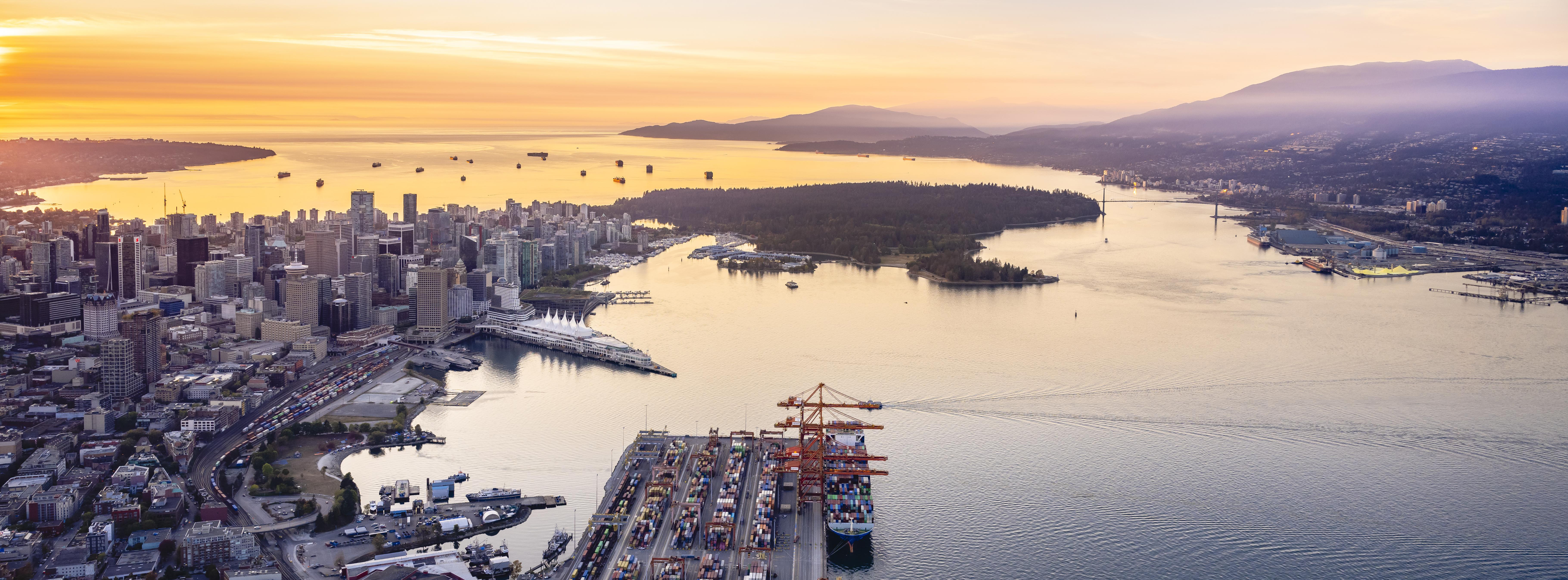
The Vancouver Gateway is Canada’s principal trade and transportation hub (handling 80% of Canada’s Asia Pacific export trade), connecting Asia, North America, and global markets through:
Canada’s largest port – the Port of Vancouver with 29 deep-sea terminals serving a diverse cargo base
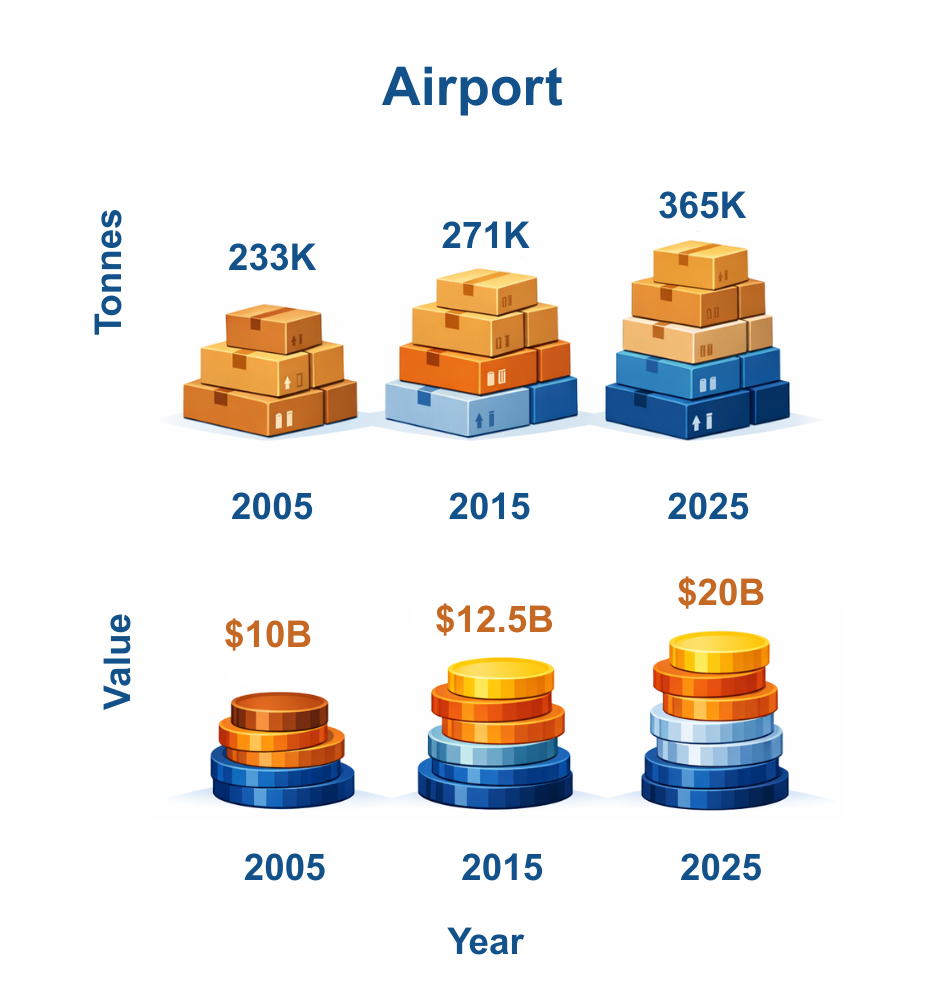
Canada’s 2nd busiest airport - YVR – Vancouver International Airport – serving international air carriers, passengers and high-value, time sensitive air cargo.
Multiple Class 1 national railways and major highways linking the West Coast to Canada’s interior, the US and beyond
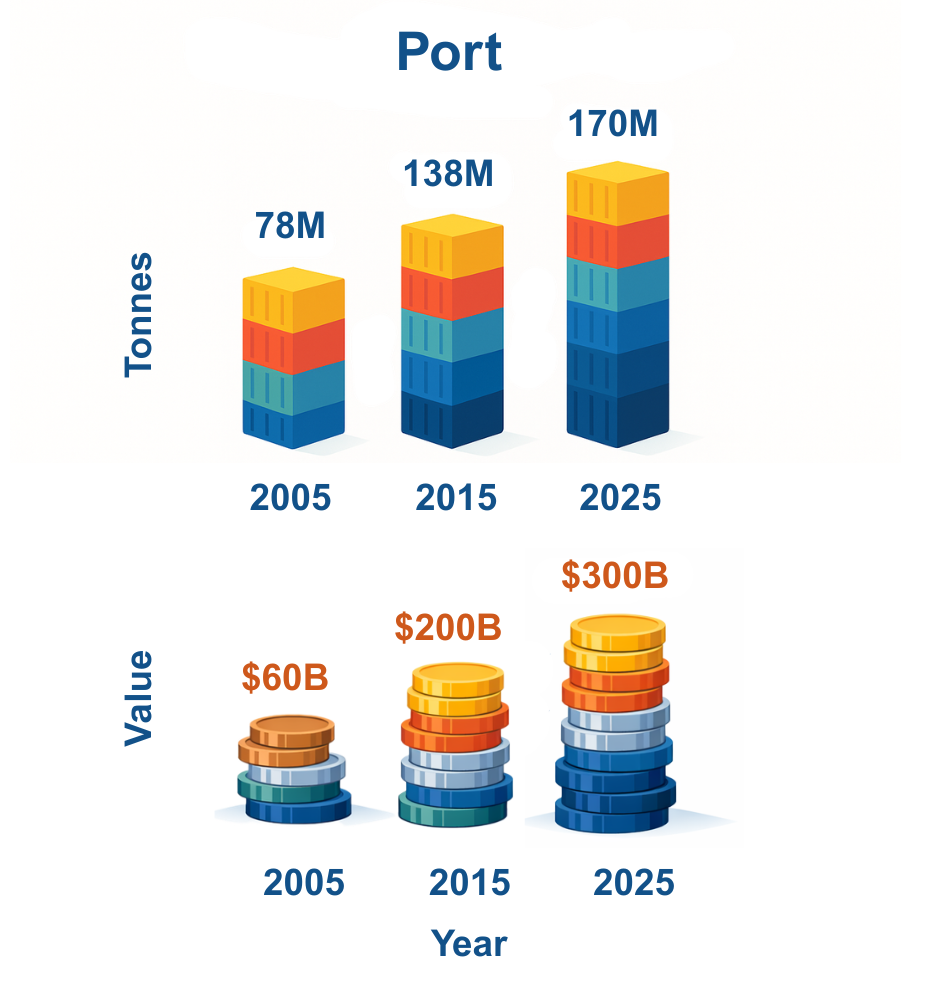
Together, these systems handle over $320 billion in annual trade, supporting Canada’s role in global supply chains and driving regional prosperity.
Delivering trade growth
Greater Vancouver’s gateway role
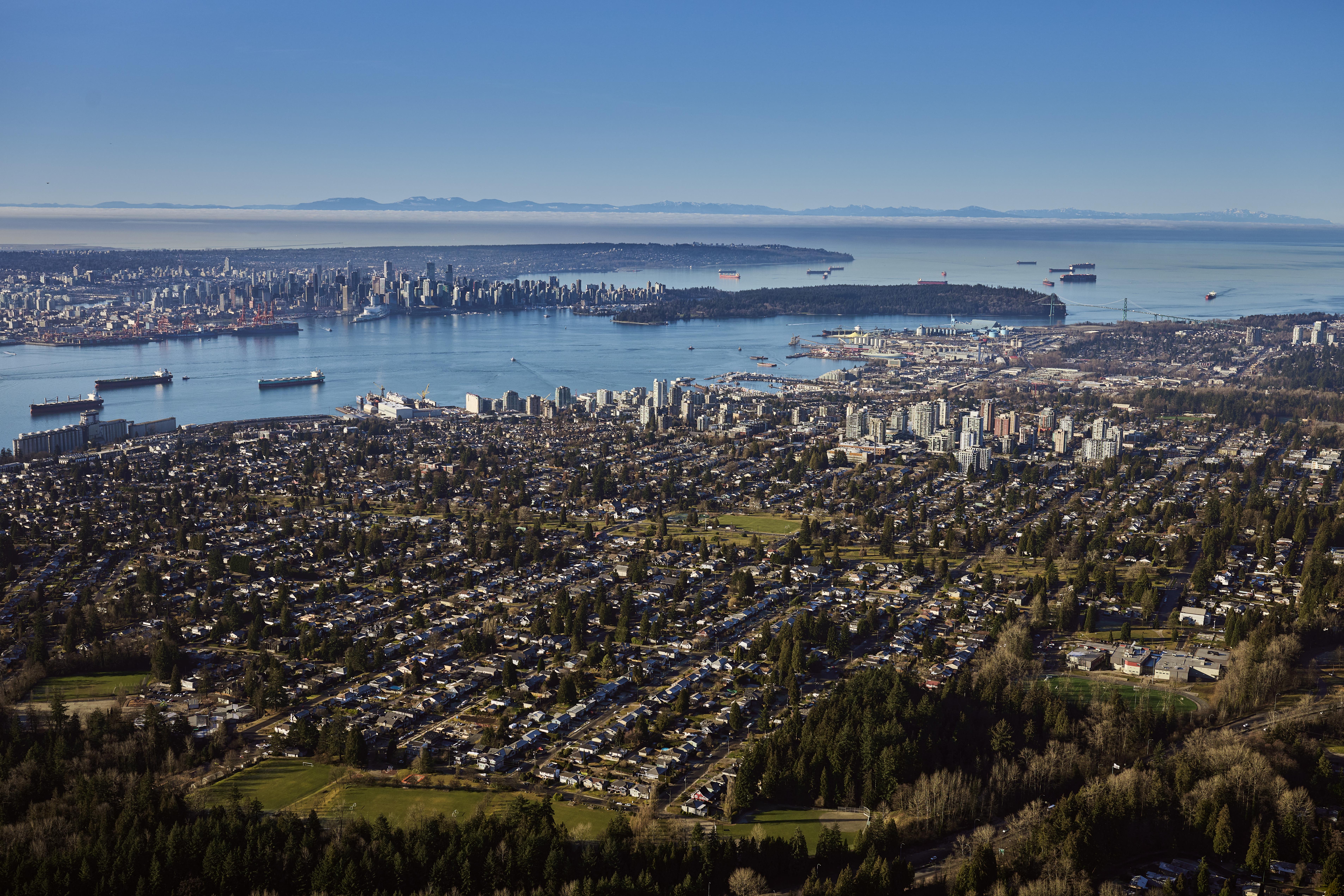
Every day, the Greater Vancouver Gateway connects Canada to the world. Ships from every continent call at our terminals, getting our products to global markets and showcasing our city to millions of cruise passengers each summer. Trains and trucks move goods across the region and the country, and aircraft from around the globe support cargo and passenger connections through Vancouver International Airport.
This connectivity defines Greater Vancouver’s identity and supports our economy — a vibrant, connected, and globally oriented region driven by trade, tourism, and transportation.
A key economic engine
The Gateway is the largest industry cluster in the Lower Mainland, supporting more than 250,000 jobs across marine, air, rail, trucking, warehousing, logistics, and related services. It contributes an estimated $25 billion annually to B.C.’s GDP and $3 billion in taxes to all levels of government.
In total, one in every eight jobs in the region is tied directly or indirectly to Gateway activity — from longshore operators to digital logistics professionals, from fuel suppliers to freight forwarders.
A bright future
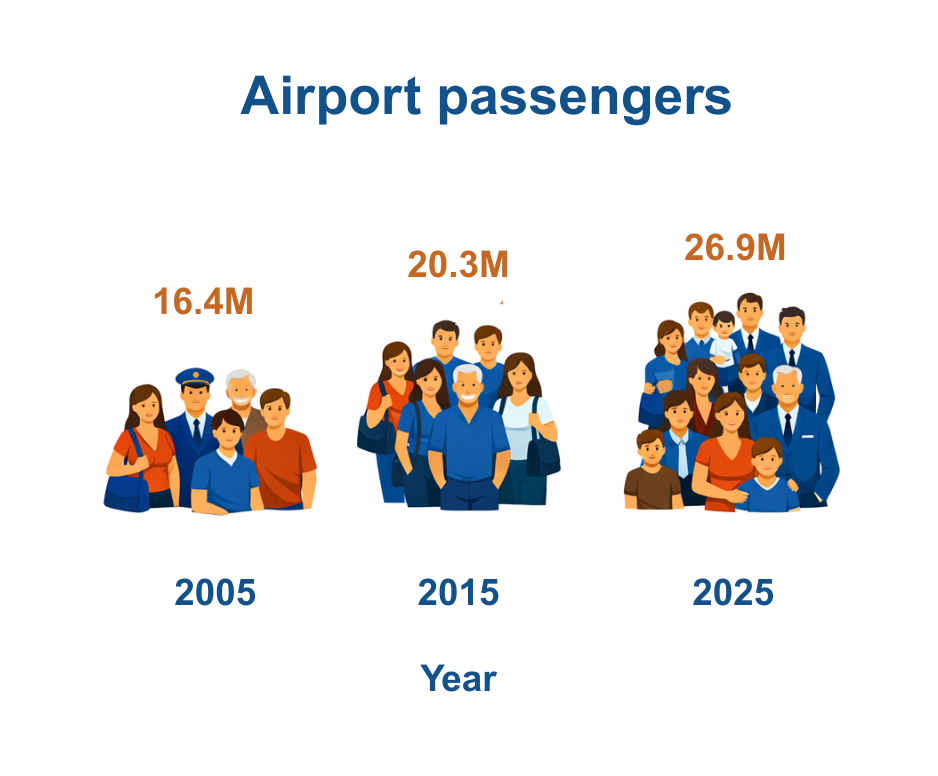
The Port of Vancouver now handles over 170 million tonnes of cargo each year, while YVR serves more than 27 million passengers along with growing air cargo operations to an expanding number of destinations throughout North America, Asia-Pacific, and beyond.
By 2035, both cargo and passenger volumes are expected to grow substantially, driving demand for high-value logistics, trade services, and technology-driven supply chain innovation. As the Gateway grows, it attracts new investment, new talent, and new opportunities for the entire region.
Challenges ahead

Congestion and network capacity
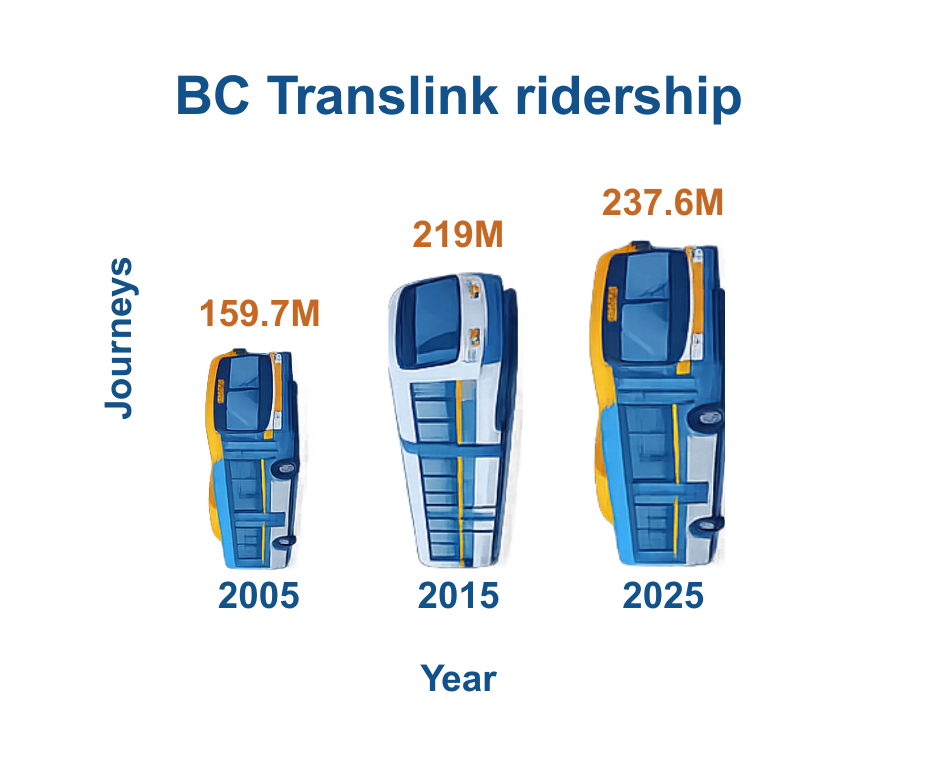
Rapid population growth and expanding trade volumes are placing increasing pressure on the region’s road, rail, marine, and transit systems. Efficient movement of goods and people is critical to maintaining competitiveness — yet congestion already costs the regional economy over $1 billion annually in lost productivity and delay. Coordinated investments and digital solutions will be key to improving reliability and flow.
Industrial land constraints
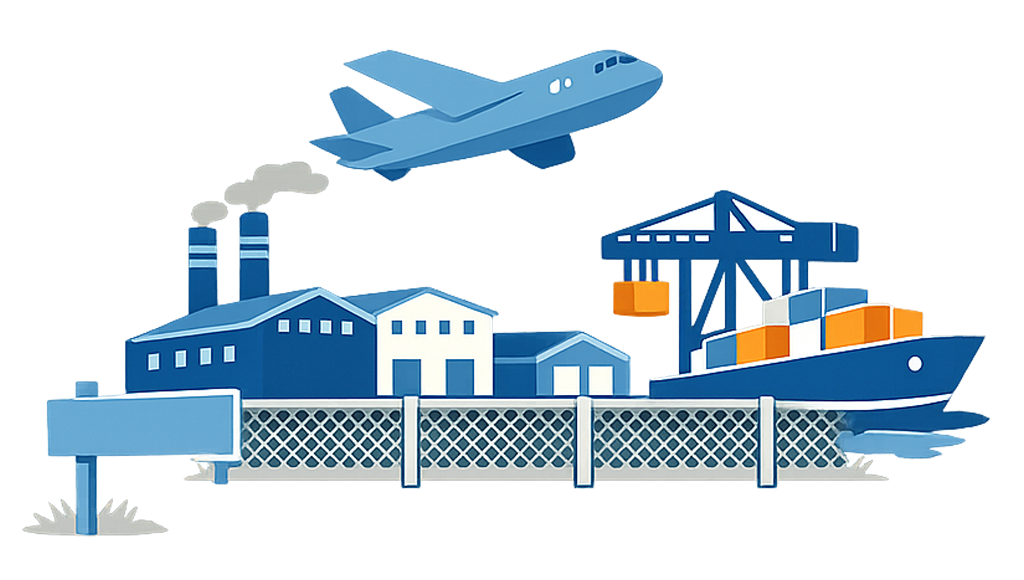
Available industrial and logistics lands are increasingly scarce as urban development intensifies. Without protection and strategic expansion of the industrial land base, future trade growth could be constrained. Safeguarding and optimizing these lands is vital to ensuring space for terminals, warehouses and supporting businesses.
Infrastructure investment
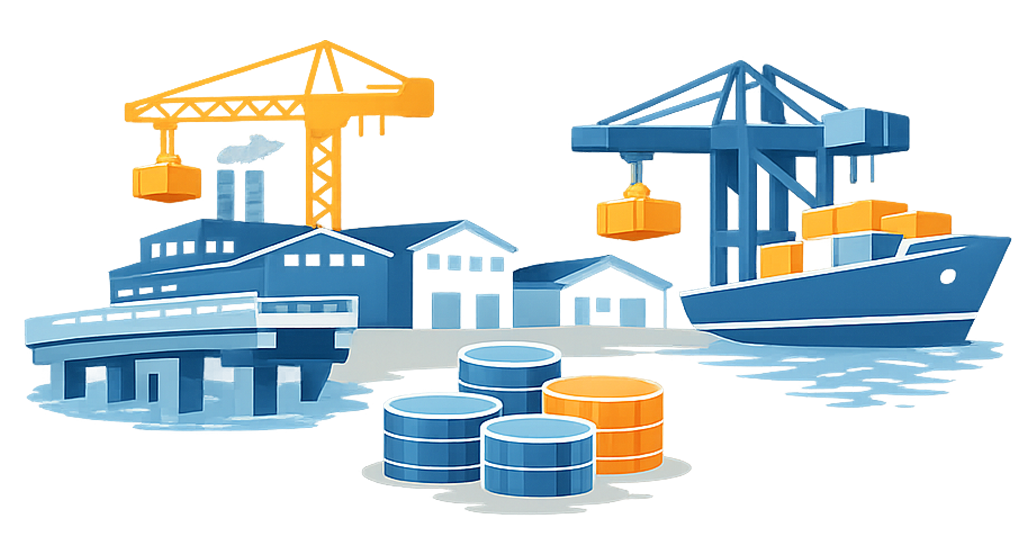
While significant projects are underway, the pace of infrastructure renewal and expansion must accelerate to keep pace with regional and global demand. Strategic investments in corridors like the North Shore & South Shore of Burrard Inlet, Moray Channel, Roberts Bank, and Fraser River networks will strengthen capacity, reliability, and resilience across all modes. Investment in digital infrastructure will also be critical along with the ability to share data across the Gateway to work smarter and more collaboratively.
Partnerships — The way forward
The transportation industry cannot act alone. The path forward lies in collaboration among governments, industry, and communities to align infrastructure, policy, and land-use decisions in support of a sustainable and competitive Gateway.
Working together, we can ensure the Greater Vancouver Gateway continues to power jobs, opportunity, and prosperity for British Columbia — and strengthen Canada’s role as a trusted, world-class Gateway to the Pacific.
Congestion and network capacity
Rapid population growth and expanding trade volumes are placing increasing pressure on the region’s road, rail, marine, and transit systems. Efficient movement of goods and people is critical to maintaining competitiveness — yet congestion already costs the regional economy over $1 billion annually in lost productivity and delay. Coordinated investments and digital solutions will be key to improving reliability and flow.
Industrial land constraints
Available industrial and logistics lands are increasingly scarce as urban development intensifies. Without protection and strategic expansion of the industrial land base, future trade growth could be constrained. Safeguarding and optimizing these lands is vital to ensuring space for terminals, warehouses and supporting businesses.
Infrastructure investment
While significant projects are underway, the pace of infrastructure renewal and expansion must accelerate to keep pace with regional and global demand. Strategic investments in corridors like the North Shore & South Shore of Burrard Inlet, Moray Channel, Roberts Bank, and Fraser River networks will strengthen capacity, reliability, and resilience across all modes. Investment in digital infrastructure will also be critical along with the ability to share data across the Gateway to work smarter and more collaboratively.
Partnerships — The way forward
The transportation industry cannot act alone. The path forward lies in collaboration among governments, industry, and communities to align infrastructure, policy, and land-use decisions in support of a sustainable and competitive Gateway.
Working together, we can ensure the Greater Vancouver Gateway continues to power jobs, opportunity, and prosperity for British Columbia — and strengthen Canada’s role as a trusted, world-class Gateway to the Pacific.